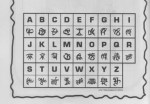
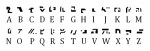
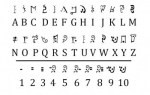
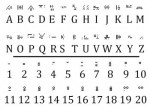
Vernacular, Autobot, Decepticon, Maximal, and Primal Cybertronian languages.
Aahh, reblogging this for anybody who missed it the first time around!
As someone interested in Cybertronian linguistics (well, how they translate into English), this should come in useful.
:O
Tag: languages
samtaims ai vonder if inglis spiiking piipöl aar eiböl tu riölais thät ai äm äksöli vraiting in inglish rait nau bat tsast vith veri finnish spelling
sou if juu spiik inglish bat not finnish kän juu pliis reblog änd liiv ö komment on tis post tänk juu veri mats
Sammteims ei wonda iff inglisch schbieking pipel ahr ebel tu rieleis set ei ehm ecktschuli reiting in inglisch reit nauh batt schast wiss währi tschörmen schbelling
So iff ju schbiek inglisch batt nott tschörmen kenn ju plies riplock end lief eh kommänt on dies pust senk ju wäri matsch
tänk juu for joor tsörman kontribjuusson, ai äpprishieit it veri mats. änd it oolsou helps mii tu gräsp tö essens of tsörman äksent
Samtajms aj vonder if ingliš spíking pípl ár ejbl tu rielajz det aj em ekšuely rajting in ingliš rajt náv bat džast vit veri slovak speling. Sou if jú spík ingliš bat not slovak ken jú plís riblog end lív en koment on tiz poust tenk jú veri mač
Самтаймз ай вондр иф иньглиш спикинь пийпль ар эйбль ту риэлайз дзят ай эм экшуалий райтинь ин иньглиш райт нау бат джаст виць вейрий рашин спеллинь. Со иф ю спик иньглиш бат нот рашин кэн ю плиз риблог энд лив э комент ан дзис пост цянк ю вейрий мач
Samtæms æ wonda if ínglis spíking pípl ar eybel tú ríalæs ðet æ em ektsuali ræting in ínglis ræt ná bat dsast við veri æslendik speling
so if jú spík ínglis bat nott æslendik ken jú plís ríblog end líf a komment on ðis post þenk jú veri mats
Samtaims ai uonder if inglisc spiching pipol ar eibol tu rialais det i em acscualli raiting in inglisc rait nau bat dez uid veri italian spelling. sou if iu spic inglisc bat not italian chen iu plis riblog end liv a comment on dis post tenk iu veri macc’.
sumtaimes ai wundère eef angliche peepole ar ébl tu rayolize zat i am actualie ritin en angliche rite nau bat dees iz veri french spélling. sau if u speec angliche bat nut french plis cun u reeblog end leev a commant en deez post tank u veri muche
somtajms ai wonde if inglisj spieking piepel ar ebel toe riëlais det ai em eksjelie wraiting in inglisj rait nau but djust wif verrie dutsj spelling
so if joe spiek inglisj but not dutsj ken joe plies rieblok ent lief uh komment on dis poost tenk joe verrie mutsj
Samtajms aj łonder if inglisz spikink pipul ar ejbul tu rielajs dat aj em akczueli rajtink in inglisz rajt nał bat dżast łif weri połlisz spelink
Soł if ju spik inglisz bat not połlisz ken ju plis riblok ent lif a koment on dis połst fenk ju weri macz
somtaghms aigh bhondar iobh iunglois spíocang píopal ár éabal ta ríalaghs dat aigh eim aicsiúlaí raghtuing in iunglois raght nadh bot diost bhot bhéirí aighris spoiling
sómh iobh dhiú spíoc iunglois bot nát aighris cean dhiú plíos ríoblág eand líomh a camoint án dus póst taenc dhiú bhéirí moit
sʌmtaɪmz aɪ wʌndɚ ɪf ɪnglɪʃ spikɪŋ pipl ɚ eɪbl̩ tə ɹilaɪs ðæt aɪ æm ækʃəli ɹaɪɾɪŋ ɪn ɪnglɪʃ ɹaɪt naʊ bʌt dʒʌst ɪn ði ɪntɚnæʃʌnl̩ foʊnɛɾɪk ælfəbɛt
soʊ ɪf ju spik ɪnglɪʃ bʌt nɑt aɪ pi eɪ kæn ju pliz ɹiblɑg ænd liv ə kɑmənt ɑn ðɪs post θænk ju vɚɹi mʌtʃ
ソムタイムズ アイ ワォンダー イッフ イングリッシュ スピキング ピーパル アル エーブル ツ リアーライズ ザット アイ エッム アックシャリー ライティング イン イングリッシュ ライット ナオ バット ジャスット ウイッス ベッリ ジャパニーズ スペリング。
ソ イッフ ユー スピック イングリッシュ バット ノット ジャパニーズ プリーズ リブロッグ アンッド リーヴ ア コメンット オン ディッス ポスット サンク ユー ベリー マッチュ。
samtaims ai uandăr if ingliș spiking pipăl ar eibăl tu riălaiz zet ai em ecșuali riating in ingliș rait nau băt giast uiz a veri rumeiniăn speling. său if iu spic ingliș băt not rumeiniăn chen iu pliz riblog end liv a coment on zis post senk iu veri maci.
Sometimes I wonder why non English speakers are like this
because it’s a funny harmless joke at the expense of the world’s current lingua franca, whose native speakers often make fun of the ‘weird’ accents and pronounciation of people who very likely speak at least one more language then they do.
^^^^
Bitch👏how👏do👏you👏call👏these👏people👏"“non-english speakers”“👏👏👏👏👏
Literally the only language used in this post is EnglishThe phrases above are in English, but are written using pronunciation
rules of other languages. I’ll place the rest of this explanation under a cut, because the post is so long.I got about halfway down and dissolved into giggle fits.
English is my native language. I don’t find this insulting, I find it hilarious.
סמתיים איי וונדר איף אינגליש ספיקינג פיפול אר איבול טו ריאלייז איים אקשלי רייטינג אין אינגליש רייט נאו באט וויס היברו ספלינג.
סו איף יו ספיק אינגליש באט נוט היברו פליז ריבלוג אנד ליב א כומנט און זיס פוסט טנק יו ורי מץ’
namafangirl replied to your post:
Ooh cool! What are they, and do they mean slightly different things? Like is one a bird wing and one an airplane wing for example? I’m interested in things like that.
one is כנף (kanaf) which is the one we use both for a bird wing and an airplane wing, the other is אבר (ever) which used solely for a bird wing and is apparently from the same source as איבר (eivar) which means “a limb”
actually, since my language is over 5000 years old, we don’t really have a word for an airplane wing, we just use the same one as a bird wing. אבר is just older and more poetic, so we don’t use it for an airplane wing, and not for a bird wing in everyday use either…
Oh cool! That’s awesome. And yeah it makes sense that they would just use the word for bird wings once airplanes were invented, which seems to be what most languages did.
I think Seekers would have words for different configurations and shapes of wings, along with more general words that apply to anyone’s wings. They might even have a totally different word for wings that flap, since they are the opposite of humans, and encountered fixed wing, jet powered flight first. Latin is a bit like that, with extremely specific nouns for things that English uses a more generic noun coupled with adjectives for. Or how there are specific words for different kinds of snow in Inuit (they appear to have a couple of roots that appear often – “tla” being the most common, and there are some that show evidence of being created more recently to name concepts they came upon later, such as sculpted snow corsages for prom, which is amazing.)
yeah, i remember in school we learned once that every language
has many words to describe things that are important to them, we were asked to find as many words as possible that mean “happiness” in my language, and we found over 60! we also found over 70 different names to our capital city! idk i just find stuff like that really fascinating…